
How to Stop Second-Guessing Yourself and Make the Decision

How to stop second guessing yourself and how to make a decision.
Maybe You Don’t Need More Clarity
There are absolutely times when we need more information before making a decision.
You may need to understand the financial implications.
You may need professional advice.
You may need to research your options.
You may need to have an important conversation.
That’s wisdom.
But there’s another kind of decision-making that looks like research on the outside and feels very different on the inside.
It’s when you’ve gathered the information.
You’ve considered the options.
You know what matters to you.
And yet you keep looking.
One more opinion.
One more conversation.
One more Google search.
One more person telling you what they would do.
Why?
Because maybe the thing you’re actually searching for isn’t information.
Maybe you’re searching for certainty.
And certainty is something life rarely gives us.
Clarity and certainty are not the same thing.
You can be clear that a job is no longer right for you without knowing exactly where you’ll work next.
You can know that a relationship needs to change without knowing how the other person will respond.
You can know that you’re exhausted and need help without knowing whether everyone will understand.
You can know that you want something more for your life without having the entire roadmap for how you’re going to create it.
Sometimes we tell ourselves:
“If this were really the right decision, I wouldn’t be this scared.”
But fear doesn’t necessarily mean you’re making the wrong choice.
Sometimes you’re afraid simply because the choice matters.
Why Capable Women Still Second-Guess Themselves

This is especially interesting to me when I think about professional women.
I’ve spent decades working in healthcare, and I’ve been surrounded by incredibly capable women.
Women who manage crises.
Women who make complicated decisions.
Women who lead teams.
Women who care for families.
Women who solve problems all day long.
Women other people depend on for answers.
And yet, those same women can find themselves sitting at home asking:
“What do you think I should do?”
Not because they aren’t intelligent enough to decide.
Sometimes it’s because we’ve become so accustomed to considering everyone else that we’ve forgotten how to consider ourselves.
We’ve been taught to be thoughtful.
Helpful.
Flexible.
Accommodating.
Dependable.
Understanding.
And those can all be beautiful qualities.
Until being considerate of everyone else becomes abandoning yourself.
There’s an important difference between:
Considering how your decision affects other people
and
requiring other people’s approval before you’re allowed to make it.
You are allowed to care about how someone feels.
You are also allowed to make a decision they don’t like.
Both things can be true.
The Question Beneath the Question
When you’re stuck in indecision, try asking yourself:
What am I actually afraid of?
Because often the answer has very little to do with the decision itself.
Maybe you’re afraid someone will be disappointed.
Maybe you’re afraid they’ll think you’re selfish.
Maybe you’re afraid you’ll fail.
Maybe you’re afraid you’ll succeed—and then everything will change.
Maybe you’re afraid someone won’t understand the version of you you’re becoming.
Maybe you’re afraid of making the “wrong” choice.
And sometimes we’re afraid because choosing what we really want means acknowledging something we’ve been trying very hard not to acknowledge:
The life that worked for me before may not work for me anymore.
That can be uncomfortable.
But discomfort isn’t always a warning to stop.
Sometimes it’s evidence that you’re growing.
Overthinking Can Look a Lot Like Responsibility

This is where things get tricky.
Because overthinking doesn’t always feel like fear.
Sometimes it sounds incredibly responsible.
“I just want to make sure.”
“I need a little more time.”
“I’m weighing all my options.”
“I don’t want to make a mistake.”
There’s nothing wrong with being thoughtful.
But at some point, we have to ask:
Am I still gathering information—or am I gathering reassurance?
Information gives you something you genuinely didn’t know before.
Reassurance makes the anxiety disappear for a few minutes.
You ask one person.
They tell you what you hoped they’d say.
Relief.
Then the doubt returns.
So you ask another person.
They give you a slightly different opinion.
Now you’re even more confused.
So you ask someone else.
Eventually, your decision is crowded with so many voices that you can’t hear your own anymore.
There is absolutely a place for wise counsel.
But after you’ve listened to everyone else…
come back home to yourself.
Because you’re the one who will ultimately have to live the life created by your decision.
What If You Make the Wrong Decision?
This may be the biggest fear of all.
What if I’m wrong?
What if you take the job and hate it?
What if you leave and regret it?
What if you set the boundary and the relationship changes?
What if you start the business and it doesn’t work?
What if you choose yourself and discover you wanted something different?
Here’s something I want you to consider:
A decision doesn’t have to create the outcome you expected in order to have been worth making.
We have a tendency to judge our past decisions using information we didn’t have when we made them.
That’s not fair to the woman who made the choice.
She made the best decision she could with what she knew then.
And that’s all any of us can do.
Self-trust isn’t believing:
“I’ll always make the right decision.”
Self-trust is believing:
“I can make the best decision I can with the information, wisdom, values, and circumstances I have today—and I trust myself to handle whatever comes next.”
That’s a very different kind of confidence.
It isn’t confidence in the outcome.
It’s confidence in your ability to navigate the outcome.
And perhaps most importantly:
Whatever happens, I won’t abandon myself.
Notice How Often You Override Yourself
This week, pay attention to the little moments.
Your body says:
I’m exhausted.
And your mind immediately answers:
“Just finish these three things first.”
You think:
I don’t want to commit to that.
Then guilt says:
“But they’re counting on you.”
Something doesn’t feel right.
You respond:
“I’m probably overreacting.”
You want something different.
Then another voice says:
“You should just be grateful for what you have.”
Notice the pattern.
Your inner voice speaks.
Then conditioning answers.
Your body says enough.
Guilt says keep going.
Your intuition says no.
People-pleasing says yes.
Your desire says I want more.
Fear says who do you think you are?
This is why rebuilding self-trust isn’t only about learning to hear yourself.
It’s learning to stop immediately overriding yourself.
That doesn’t mean every thought or feeling should dictate your decisions. Fear, anxiety, stress, and intuition can sometimes be difficult to distinguish.
But your thoughts and feelings deserve to be heard before they’re dismissed.
🌿 Let’s Hit RESET Together
If there’s a decision you’ve been wrestling with, I want you to try something different this week.
Instead of another pros-and-cons list, walk yourself through what I call:
The RESET Decision Filter
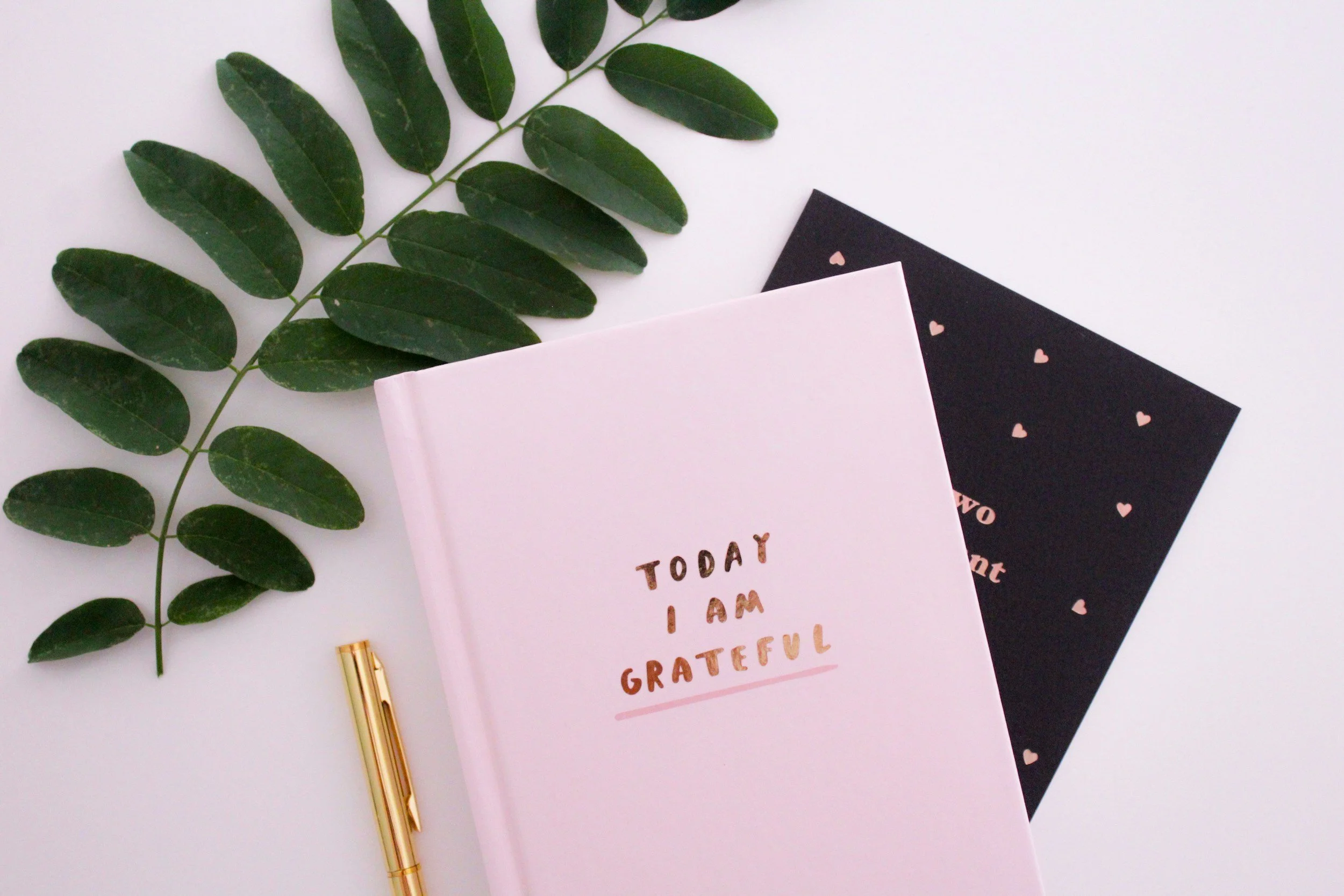
Grab your journal and answer these five questions.
1. What do I actually want?
Take everyone else out of the equation for just a moment.
Not:
“What should I want?”
Not:
“What’s easiest?”
Not:
“What would make everyone happy?”
Ask:
What do I want?
You don’t have to act on the answer yet.
Just be honest enough to name it.
2. What am I afraid will happen if I choose it?
This question often reveals what’s actually keeping us stuck.
Is it failure?
Judgment?
Disappointment?
Conflict?
Change?
Once you identify the fear, you can stop confusing it with a lack of clarity.
3. Am I seeking information—or reassurance?
Ask yourself:
Is there something I genuinely still need to know?
If yes, go get the information.
If not, you may be waiting for someone else to tell you:
“Yes. You’re allowed.”
And we’ve already learned—you don’t need to wait for that anymore.
4. Which choice supports the life I’m trying to build?
Zoom out.
Which option supports your health?
Your peace?
Your energy?
Your relationships?
Your values?
Your purpose?
The woman you’re becoming?
Sometimes the easiest decision today isn’t the one that serves the life you want tomorrow.
5. What’s my next smallest courageous step?
You don’t have to figure out the whole thing today.
Maybe the next step is sending an email.
Making an appointment.
Updating your résumé.
Looking at the numbers.
Having the conversation.
Asking the question.
Saying no.
Saying yes.
Taking an afternoon to think.
Small action creates movement.
And movement begins rebuilding confidence.
🌸 Your RESET Reflection
I want you to sit with one question this week:
If nobody could be disappointed in me, nobody could judge me, and I knew I could handle whatever happened next…what would I choose?
Don’t immediately analyze your answer.
Just notice what comes up.
You might be surprised by how quickly you know.
And then ask yourself:
What is one small step I can take toward honoring that answer?
Not ten steps.
Not the whole plan.
One.
Empowerment Isn’t Knowing Everything
Over the last few weeks, we’ve been building toward this moment.
Stop waiting for permission.
↓
Your voice matters.
↓
Trust yourself.
↓
Make the decision.
Empowerment doesn’t mean you become fearless.
It doesn’t mean you’ll never question yourself again.
And it certainly doesn’t mean you stop caring about the people you love.
It means you finally include yourself in the decisions that shape your life.
Your needs matter.
Your voice matters.
Your wisdom matters.
Your desires matter.
Your life matters.
You don’t have to know exactly where the road leads before you’re allowed to take the next step.
Sometimes…
you already know.
And your next RESET is simply learning to trust yourself enough to move.
🌿 Continue Your RESET
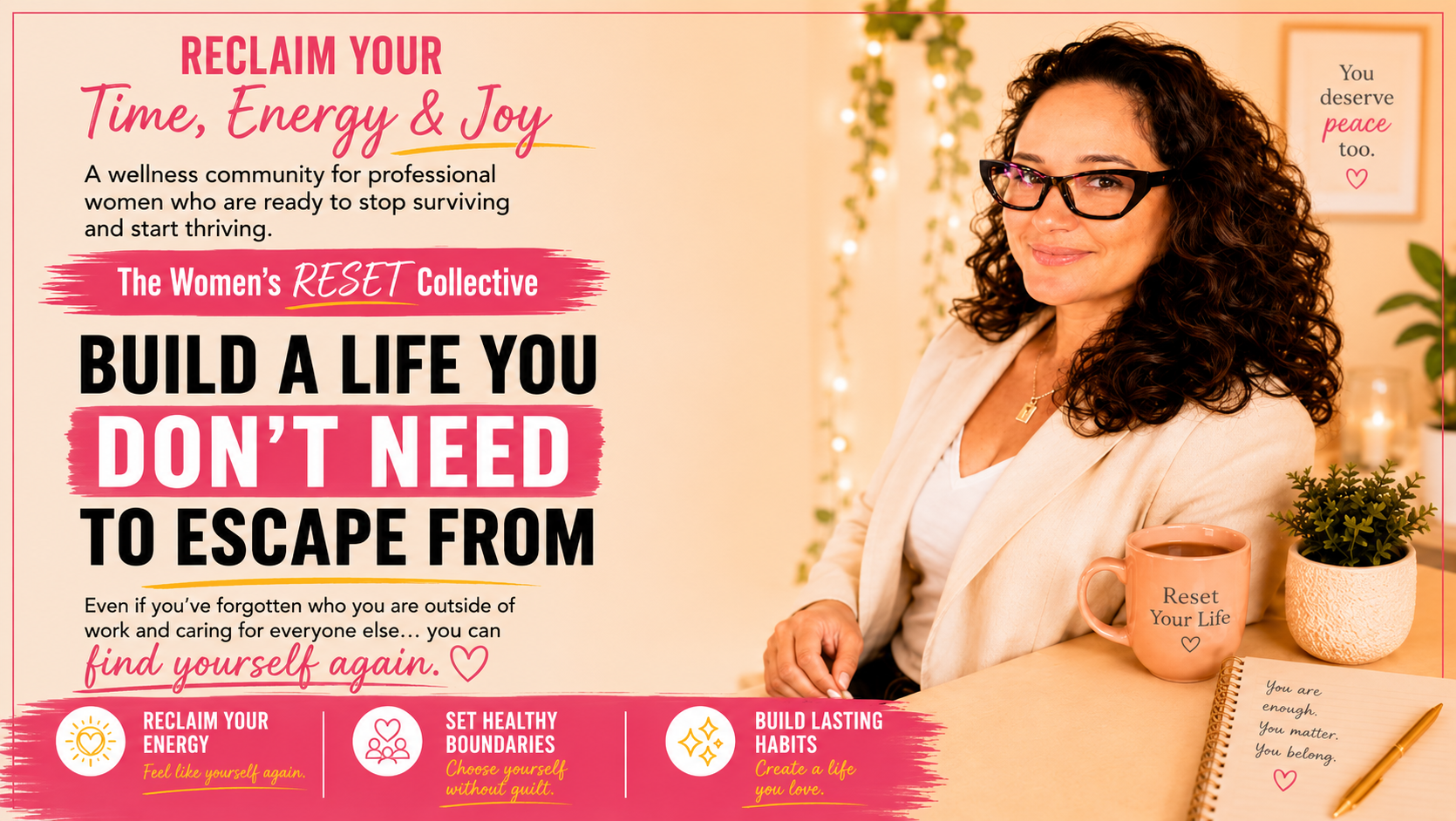
If this week’s message resonated with you, come join us inside The Women’s RESET Collective.
This week, we’re not just talking about making decisions—we’re practicing it together.
Members will receive the RESET Decision Filter companion tool, four exclusive video Daily Drops throughout the week, reflection prompts, and opportunities to share what they’re learning with women walking through the same journey.
You don’t have to change your whole life this week.
Just make one choice that tells yourself:
I hear you. I trust you. And I’m no longer going to abandon you.
That’s enough for today.
One decision. One courageous step. One RESET at a time. 🌿
Jessica Health Life Wellness Coaching, LLC.
